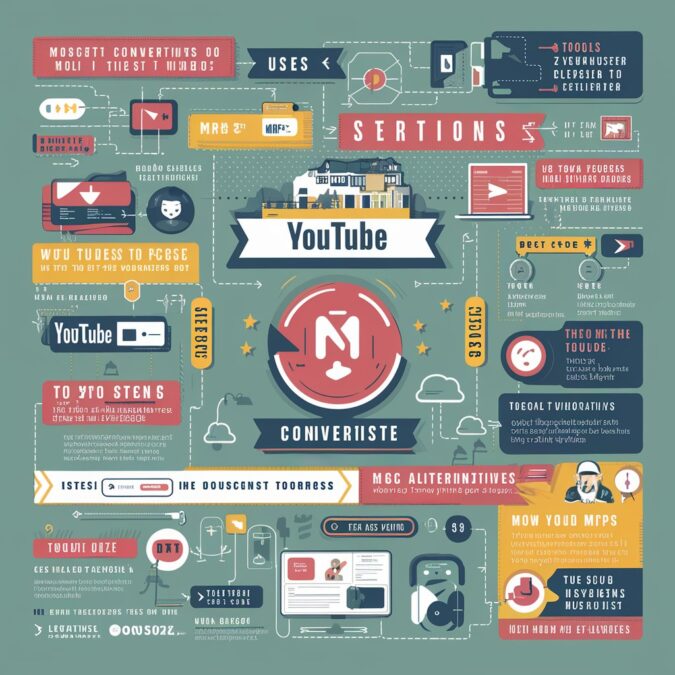

The term “YouTube to MP3” refers to the process of converting audio from YouTube videos into MP3 audio files that can be saved and played on devices like smartphones, laptops, or music players. This concept has become widely known because many users prefer listening to audio content—such as songs, podcasts, lectures, or speeches—without needing to stream the full video. While the idea seems simple and convenient, it also raises important questions about legality, quality, safety, and ethical usage. Understanding how YouTube to MP3 works, what it is used for, and what alternatives exist can help users make informed and responsible decisions.
What Does YouTube to MP3 Mean?
YouTube to MP3 is essentially a conversion process where the audio track from a YouTube video is extracted and saved in MP3 format. MP3 is one of the most popular audio file formats because it compresses sound without significantly reducing quality, making it easy to store and share. People often search for this feature when they want to listen to music offline or extract spoken content like interviews, tutorials, or motivational talks. However, it is important to understand that YouTube itself is primarily a video streaming platform, and not all content is meant to be downloaded or converted.
How YouTube to MP3 Conversion Works
The conversion process generally involves copying a YouTube video link and pasting it into a conversion tool or software. These tools then extract the audio stream and convert it into an MP3 file. Some platforms operate online, while others require installation on a computer or mobile device. The process may seem quick and easy, but behind the scenes it involves decoding video data, separating the audio track, and re-encoding it into a compressed audio format. While this technology is widely available, the quality of the final MP3 file often depends on the original video quality and the tool being used.
Common Uses of YouTube to MP3
Many users turn to YouTube to MP3 conversion for convenience and accessibility. One of the most common uses is offline listening, especially in areas where internet access is limited or expensive. Students often use it to save educational lectures or study material, while music listeners use it to create personal playlists. Others may use it for motivational speeches, language learning, or podcasts. Despite these practical uses, it is important to ensure that the content being converted is legally allowed for download or reuse, as not all YouTube videos permit this type of extraction.
Legal and Ethical Considerations
One of the most important aspects of YouTube to MP3 conversion is legality. Downloading or converting copyrighted content without permission may violate copyright laws in many countries. YouTube’s terms of service also restrict unauthorized downloading of videos or audio. However, there are exceptions, such as content that is in the public domain, licensed for reuse, or explicitly allowed by the creator. Ethically, it is always better to respect content creators’ rights and support official platforms where artists and creators earn revenue from their work.
Risks of Using Untrusted Conversion Tools
Many free YouTube to MP3 websites exist, but not all of them are safe. Some may contain intrusive ads, malware, or misleading download buttons that can harm your device or steal personal information. Others may offer low-quality audio or unstable services. Users should be extremely cautious when selecting any online converter and avoid sharing sensitive data. In general, relying on unknown or suspicious platforms can create more problems than benefits, especially when safer and legal alternatives are available.
Better and Legal Alternatives
Instead of relying on conversion tools, there are several legal alternatives for enjoying audio content. Platforms like YouTube Premium allow users to download videos for offline viewing within the app. Music streaming services also provide offline listening options with proper licensing, ensuring that artists are compensated. Additionally, many creators now publish their content directly on podcast platforms or music apps, making it easier to access audio legally without conversion tools. These alternatives not only support creators but also provide higher quality and safer experiences.
Benefits of Understanding YouTube to MP3
Learning about YouTube to MP3 helps users make smarter digital choices. It increases awareness of copyright laws, encourages safe internet usage, and helps avoid risky websites. It also teaches users the difference between convenience and responsibility in the digital world. While the idea of converting videos to audio may seem simple, understanding its broader impact is important in today’s content-driven online environment.
Frequently Asked Questions (FAQs)
1. Is YouTube to MP3 legal?
It depends on the content. Converting copyrighted videos without permission is generally not legal, while public domain or licensed content may be allowed.
2. Can I convert any YouTube video to MP3?
Not all videos can be legally or safely converted. It is important to check the content rights before downloading or converting.
3. Are YouTube to MP3 converters safe to use?
Some are safe, but many contain ads, malware risks, or poor-quality output. Users should be very careful when choosing any tool.
4. What is the best alternative to YouTube to MP3?
Legal alternatives include YouTube Premium, Spotify, Apple Music, and other streaming services that offer offline listening.
5. Why do people use YouTube to MP3?
People use it mainly for offline listening, convenience, saving internet data, or accessing audio content more easily.
Conclusion
YouTube to MP3 conversion is a widely known practice that offers convenience by turning video content into portable audio files. However, it comes with important legal, ethical, and safety considerations that users must not ignore. While the technology behind it is simple and useful in some cases, the risks of copyright violation and unsafe tools make it less ideal compared to official alternatives. In today’s digital world, the best approach is to enjoy content responsibly by using licensed platforms that protect both users and creators.